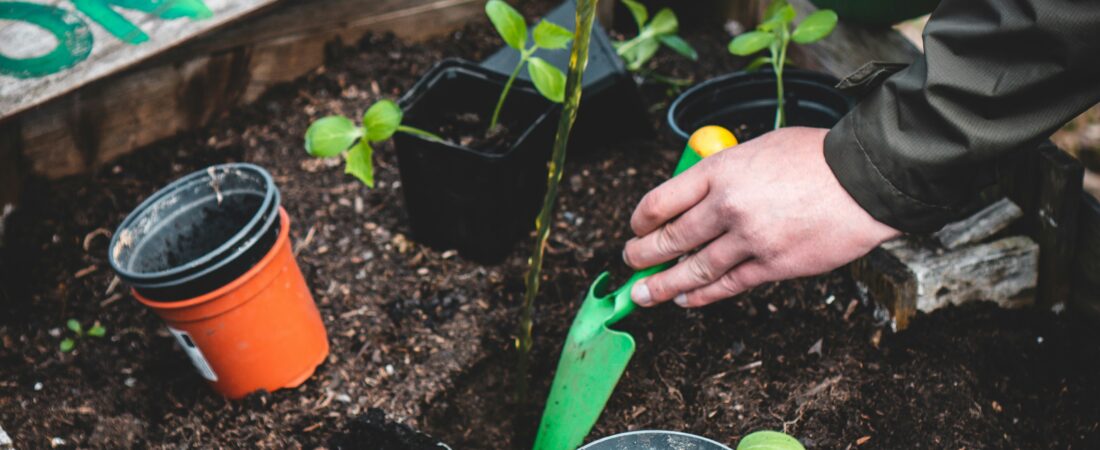
You don’t need five acres or a trust fund. You need a plan, a shovel, and about one weekend a month.
The first time I tried to “go self-sufficient,” I did what most people do. I opened ten browser tabs, priced out a greenhouse, and closed my laptop feeling broke and defeated before I’d planted a single seed. That’s the trap. Self-sufficiency gets sold to us as a finished product — the raised beds already built, the chicken coop already painted, the pantry already stocked three years deep. Nobody shows you the boring middle part, which is where the actual skill lives.
Here’s the direct answer, since you came here for one: you can build a genuinely self-sufficient backyard on a budget of a few hundred dollars a year, starting with a single 4×8 growing bed, by prioritizing food you actually eat, water you don’t have to pay for, and skills over equipment. Everything after this paragraph is the how.
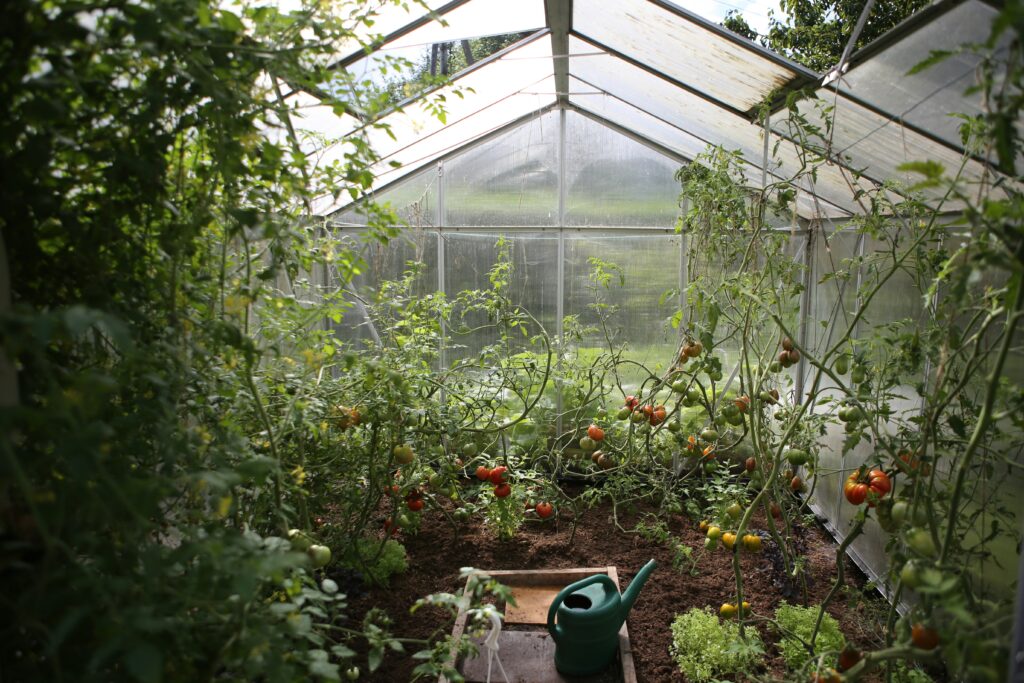
Key Takeaways
- A single well-planned 100 to 200 square foot garden can feed one adult year-round, according to National Gardening Association research.
- The average American food garden returns roughly $600 to $900 worth of produce a year for a fraction of that in seed and soil costs.
- Rainwater and greywater systems cut your biggest hidden self-sufficiency expense: water.
- Skills — seed saving, food preservation, basic animal care — matter more long-term than any tool you can buy.
- Self-sufficiency is built in layers over seasons, not installed in a weekend.
Why Does “Self-Sufficient” Sound So Expensive?
Here’s the honest problem. Most content about backyard self-sufficiency is written by people showing off the version they built after five years, funded by a book deal or a YouTube sponsorship. You see the finished homestead and assume that’s the entry price.
I run a blog for people who are building this from the ground up — night shifts, apartment leases that just turned into first homes, tight grocery budgets. I’ve watched people abandon the whole idea because they thought it required a tractor. It doesn’t. It requires sequencing: what you build first, what you build second, and what you skip entirely until year three.
Fresh vegetable prices climbed 7.5% year over year as of early 2026, faster than the overall grocery basket, which is exactly why more households are turning dirt into groceries right now instead of waiting for “someday.” Growing your own isn’t a hobby anymore for a lot of families. It’s a hedge.
What Does the Research Actually Say About Backyard Self-Sufficiency?
Let’s ground this in numbers instead of vibes, because Becca in my head refuses to let me make claims I can’t back up.
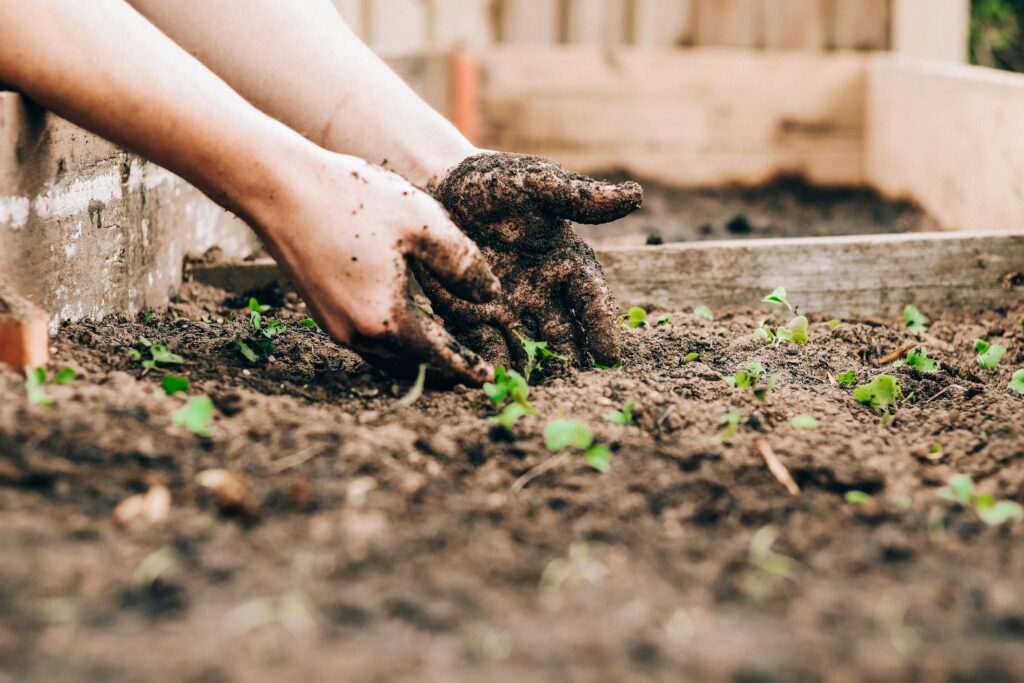
The National Gardening Association has tracked home food gardens for years, and their most consistent finding holds up: a 100 to 200 square foot vegetable garden is enough to feed one adult year-round if it’s planted with a mix of high-yield staples. That’s a space roughly the size of a one-car garage. Not five acres. Not even a full backyard.
On cost, the classic NGA benchmark found that a household spending around $70 on a garden pulled roughly $600 worth of produce out of it, a return that’s understated today given how much fresh produce prices have climbed since. Restated in current grocery prices, that same garden is closer to a $750 to $900 return. Iowa State University Extension has published similarly aggressive numbers, citing returns as high as $25 in produce for every $1 spent on seed when the garden is planted thoughtfully.
Community garden data backs this up on a bigger scale. A study out of San Jose tracking community plots found average savings of about $435 per plot per season, with typical yields around 200 pounds of produce on a modest 10×10 plot.
And the shift toward doing this at home isn’t a fringe movement anymore. Over 43% of American households now grow some of their own food, up from about 35% just a few years back, and inflation is the reason two out of three gardeners planning to expand in 2026 give for doing it.
The math is not subtle. A garden is one of the highest-ROI things you can put in a backyard, and it’s the cheapest possible entry point into self-sufficiency.
The Three-Shelf Way to Think About a Self-Sufficient Backyard
I organize survival book recommendations on my blog using something I call the 3-Shelf System, and the same framework maps almost perfectly onto backyard self-sufficiency itself. It’s not a list of projects. It’s a sequence, and skipping the order is why most people quit.
Shelf One is Food Production. This is soil, seeds, and the smallest possible growing footprint that still produces real calories. You start here because it’s cheap, fast to see results from, and it teaches you the observation skills — pests, watering, timing — that every later shelf depends on.
Shelf Two is Water and Waste. Once you’re growing something, you need a water source that isn’t your city bill going up every month, and a way to put nutrients back into the soil instead of buying bags of it. This is rain barrels and compost, and it’s where a lot of the “self-sufficient” part actually happens, because water independence is the piece most people forget to plan for.
Shelf Three is Animals and Storage. Chickens, rabbits, or bees if your zoning allows it, plus the preservation skills — canning, dehydrating, root cellaring — that turn a seasonal harvest into year-round food security. This shelf costs more up front, which is exactly why it comes last, after Shelves One and Two have already proven the concept and built your skills for free.
Trying to build Shelf Three before Shelf One is the single most common way people blow a budget on self-sufficiency and burn out within a season.
What I Actually Did With My Own Backyard
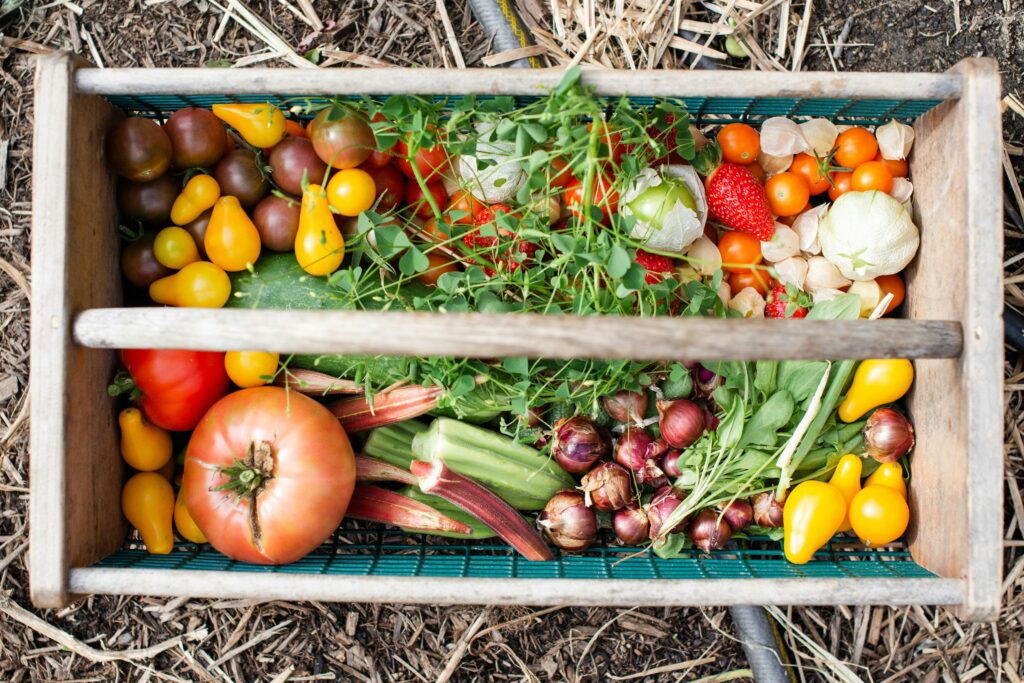
I started with one raised bed, not five. Four feet by eight feet, built from reclaimed lumber a neighbor was throwing out, filled with a mix of topsoil and compost I begged off a local landscaper for the cost of hauling it myself. Total cash spent: under $40.
That one bed grew tomatoes, bush beans, and leafy greens through a full season, and it did two things nobody warns you about. It fed us real, weekly grocery savings on the exact vegetables we ate most. And it taught me how my specific yard behaves — where the sun actually lands by 2 p.m., how fast that soil drains, which corner the aphids find first. That knowledge is worth more than any tool, and you cannot buy it. You only earn it by having dirt under your fingernails for one season.
By the second year, I’d added a rain barrel under the downspout and a compost bin made from wood pallets. Neither cost more than $30. That’s the whole Shelf Two, done for under $60.
How Do You Build One, Step by Step?
1. Start with one bed, not a plan for ten.
Pick a 4×8 or smaller footprint in the sunniest spot you have — six hours of direct light minimum. Build it from reclaimed wood, cinder blocks, or even just mounded soil if lumber isn’t in the budget this month. The bed is the whole first project.
2. Grow what you already buy every week.
Don’t plant novelty crops. Look at your last three grocery receipts and grow those vegetables first. Tomatoes, peppers, bush beans, lettuce, and herbs are the highest-return, lowest-effort starting crops for almost every climate.
3. Get water off your utility bill.
Install a single rain barrel under a downspout before you do anything else water-related. A basic setup runs $30 to $80 and can supply most of a small garden’s needs through an average growing season.
4. Build a compost bin from what you already have.
Wood pallets, a wire cylinder, or even a simple three-sided bin will turn kitchen scraps and yard waste into free soil amendment. This is the step that makes every future season cheaper than the last.
5. Save seeds from your best plants at the end of the season.
This single habit is what separates a garden you rebuild from scratch every spring from one that gets cheaper and more resilient every single year.
6. Add one preservation skill before you add one animal.
Learn to can, freeze, or dehydrate your first harvest before you take on chickens or rabbits. Preservation is what turns a summer glut into groceries in January, and it costs almost nothing beyond jars and time.
7. Layer in animals only after Shelves One and Two are proven.
If your zoning allows it, a small flock of three to four laying hens is usually the lowest-cost entry into animal self-sufficiency, and by this point you’ll already have the compost and garden systems that make keeping them worthwhile.
How much money do I actually need to start a self-sufficient backyard?
A first-year budget of $100 to $150 is realistic if you build one raised bed from reclaimed materials, buy seeds instead of starts, and add a basic rain barrel. Costs drop every year after that as compost and saved seeds replace store-bought inputs.
Can I do this without owning a house?
Yes, with adjustments. Renters can build the same system in containers on a patio or through a community garden plot, and the water-saving and composting habits transfer directly whenever you do buy land.
What’s the single biggest mistake people make?
Buying Shelf Three (animals, big infrastructure) before proving out Shelf One (a working garden). It’s expensive, it’s overwhelming, and it usually ends in burnout within one season.
Do I need special skills to start?
No. You need patience and a willingness to watch your specific yard for a season before you optimize it. Every skill — watering timing, pest ID, composting ratios — is learned by doing, not by reading in advance.
How long until a backyard actually feels self-sufficient?
Most people see real grocery savings in the first season and a meaningfully lower-input, more resilient system by year two or three, once seed saving, compost, and preservation are all running together.
The One Book I Keep Coming Back To
If you want the long-view version of this whole system laid out by people who’ve actually lived it, Ron and Johanna Melchiore’s The Self-Sufficient Backyard (Get Yours Here ) is the resource I recommend most to readers building this out season by season. They’ve homesteaded off-grid for over three decades, and the book reads like it — practical, unromantic, written by people who’ve had a garden fail and figured out why instead of giving up. It’s the Shelf Two and Shelf Three planning I wish I’d had before I improvised my own compost bin from scrap pallets.
And if the idea of Shelf One still feels like too much of a time commitment right now, that’s exactly the gap 5-Minute Garden (Check it out here) is built for. It’s a stripped-down system for growing real food in small windows of time, which is honestly the biggest barrier for most people starting Shelf One with a full-time job and zero gardening background. I’ve pointed several readers toward it specifically because the “one weekend a month” promise in this article only holds up if the daily maintenance stays that light.
You Don’t Need the Whole Homestead on Day One
Self-sufficiency isn’t a switch you flip. It’s a backyard that gets a little less dependent on the grocery store, the water utility, and the garden center every single season, one shelf at a time. The version of me who closed that laptop feeling broke and defeated didn’t need a greenhouse. She needed one bed, one bag of seeds, and permission to start small.
Start with the one bed. Everything else on this list will still be here next season, and so will you.