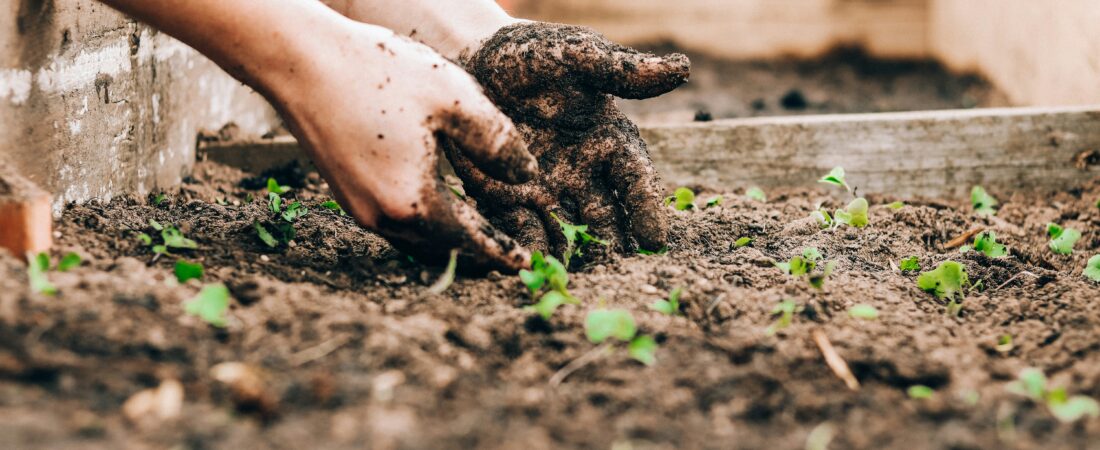
You don’t need land, savings, or a five-year plan to start. You need a garden bed, a library card, and the willingness to learn one skill before you buy one tool.One homesteader in the Midwest started her whole operation with $187 to her name. Not a typo. Not a stunt. She grew her first garden, learned to can, and built a working homestead before she ever owned land — because she started with skills, not a shopping list.
That’s the real answer to “how much money do I need to start homesteading”: less than you think, as long as you start in the right order.
Most people stall out before they begin because they picture homesteading as a finished product — the wraparound porch, the dairy cow, the root cellar — and assume they need all of it on day one. They don’t. They need a plan that starts cheap and builds up, not one that starts big and runs out of money in month four.
Key Takeaways
Age isn’t a real barrier. People start homesteads in their 50s and 60s for the same reason they start them at 25: they finally decided to.
You can start homesteading for the cost of a few seed packets — land, livestock, and infrastructure come later, not first.
A full self-sufficient setup (land, well, septic, fencing) realistically runs anywhere from $10,000 to well over $100,000, but that’s the finished version, not the starting line.
True free homestead land through the federal government hasn’t existed since 1976 — the last claim was filed in 1974, in Alaska.
The most expensive mistake beginners make isn’t underspending. It’s overbuilding before they’ve proven they can keep a garden or a chicken alive.
Why “I Don’t Have Enough Money” Keeps People From Starting
Here’s the problem: homesteading content online skews toward the finish line. You see the fully-fenced five acres, the greenhouse, the milk cow — and it reads like a price of admission instead of a destination you build toward.
That framing does real damage. It convinces capable people that homesteading is a rich person’s hobby, so they never plant the first seed. Meanwhile, the homesteaders who are actually five or ten years into this life will tell you almost none of them started with land, animals, or savings. They started with a windowsill of herbs, a library book on canning, and a decision to stop waiting for the “right” amount of money.
Money isn’t the gate. Sequencing is. Spend on the wrong things first — a tractor before you’ve grown a season of vegetables, a flock of goats before you’ve kept a garden alive — and you’ll burn through savings and motivation at the same time.
What Homesteading Actually Costs (Sourced, Not Guessed)
Numbers vary wildly depending on how far you want to take it, and depending on who’s telling the story:
One homesteading family who bought six raw acres and installed a well, septic system, and driveway from scratch spent north of $30,000 in their first five months — and that was a deliberately frugal build. Another homesteader who tracked a fuller build-out, including land, livestock, and garden infrastructure, put the realistic all-in cost of a rural prepper-style homestead at just over $100,000. On the other end, a source that tracks average rural land prices puts the national midpoint around $4,500 an acre, with real numbers ranging from about $1,500 an acre in parts of the Midwest to $15,000 or more near metro areas in the Northeast or California.
None of that is the number that matters for someone asking “how do I start with no money,” though. What matters is the entry cost, and that number is dramatically smaller: a basic 1,300-square-foot garden — enough to meaningfully feed a family — costs around $2,000 to build from scratch with raised beds and amendments, and can be started for a fraction of that with in-ground beds and saved seed. One homesteader who now runs a farm on rural land documented starting hers with $187 and a determination to grow, can, and barter her way to the rest.
The honest middle ground: homesteading is not free — expect at least a few hundred dollars a year in ongoing costs even at the smallest scale, plus whatever you spend on groceries you can’t yet grow. But the entry price is a garden, not a down payment.
The Reframe: Homestead the Kitchen Before You Homestead the Land
Here’s the shift that changes everything: homesteading isn’t a property type. It’s a set of skills, and skills are free to start learning.
Think of it as three stages, not one purchase:
- Counter-stage homesteading — sourdough, canning, fermenting, dehydrating. Zero land required. This is where you prove to yourself the lifestyle sticks before you spend a dollar on it.
- Yard-stage homesteading — container gardens, raised beds, a handful of backyard chickens where zoning allows. Land helps but a suburban lot is enough.
- Land-stage homesteading — acreage, livestock at scale, off-grid systems. This is the expensive stage, and it should be the last one you fund, not the first.
Most people try to start at stage three. The homesteaders who actually stick with this life almost always started at stage one, proved the skill and the interest, and let stage three fund itself with what they learned (and often what they sold) along the way.
How to Actually Do This (Practical Steps)
1. Start at the counter, not the coop. Bake your first loaf of sourdough or can your first batch of tomatoes before you buy a single animal. This costs almost nothing and tells you fast whether this lifestyle is one you’ll actually keep up with.
2. Build a $5 garden before you build a $2,000 one. A packet of seeds, a patch of dirt, and sunlight is a real homestead garden. Skip the raised beds and irrigation system until you’ve kept something alive for one full season.
3. Borrow before you buy. Canners, dehydrators, juicers, even tools — ask around before you order anything. Homesteaders lean on each other for exactly this reason, and most communities have someone with a canner gathering dust.
4. Master one skill per season, not five at once. The single biggest reported mistake among new homesteaders is trying to build the whole operation in one year — garden, chickens, fencing, preserving, and livestock all at once. That’s the fast track to burnout and wasted money on projects you abandon halfway.
5. Let animals wait until the systems are ready. Shelter, fencing, and a water source come before the chickens or goats arrive, not after. Bringing home animals before their systems are built is the second most common first-year mistake, and it’s the one that costs the most in vet bills and dead animals.
6. Skip the free-land search — it’s a myth worth knowing about before you waste time on it. The federal Homestead Act that gave settlers 160 free acres ended in the lower 48 states in 1976. The very last claim under that law was filed in 1974, for a homestead in Alaska. What still exists are small-town land giveaway programs — real, but usually tied to conditions like building a house within a year — not free rural acreage waiting to be claimed.
7. Let your surplus fund your next stage. Once the garden and a small flock are established, sell what you don’t need — eggs, starts, herbs, baked goods. It’s common for a small setup to generate a few hundred dollars a month this way, and that income is what should fund your next expansion, not a loan.
Frequently Asked Questions
How much money do I actually need to start homesteading? You can start for the cost of seeds and a library card — under $50. A basic garden setup runs closer to $200–$2,000 depending on how much infrastructure you build. Land, livestock, and off-grid systems come later and cost far more, but they’re not required to begin.
Is 50 too old to start homesteading? No. Homesteading rewards patience and consistency more than youth or physical peak condition. Plenty of people start in their 50s and 60s, often with more financial stability and life experience than someone starting in their 20s.
Can I still get free land through homesteading laws? Not through the original Homestead Act — it ended in the lower 48 states in 1976, and the last claim was filed in 1974 in Alaska. A handful of small towns still offer free or discounted land to attract residents, but these come with strings attached, like building a home within a set timeframe.
What’s the biggest mistake beginner homesteaders make? Trying to build everything at once — garden, chickens, fencing, and food preservation all in year one. It leads to burnout and wasted spending. Starting with one skill, mastering it, then adding the next is what actually sticks.
How do most homesteaders make money? Small-scale sales of surplus: eggs, produce, herbs, baked goods, and preserved foods sold locally or at farmers markets. It’s rarely a full living on its own at the beginning, but it’s a real way to fund the next stage of the homestead without going into debt.
Start Where You Are
You don’t need the land, the loan, or the five-year plan to start homesteading. You need one skill this month and the patience to let the next one build on it.
That $187 homesteader didn’t wait for a windfall. She planted what she had, learned what she needed, and let the homestead grow into the money instead of the other way around. That’s the whole method. Start small, stay consistent, and let your skills outpace your budget instead of the other way around.
Keep Learning
- Build a Self-Sufficient Backyard on a Budget — the 3-Shelf System for turning a small yard into real food production without a big upfront spend.
- Survival and Homesteading Books Worth Owning — a roundup of the references worth having on the shelf before you’re troubleshooting in the moment.
- CrisesPrepper Resources Hub — the full library of vetted gear, guides, and tools for food storage, water purification, and off-grid living.
- Lost Frontier Handbook Review — an honest look at one of the more popular homesteading-skills guides on the market.